
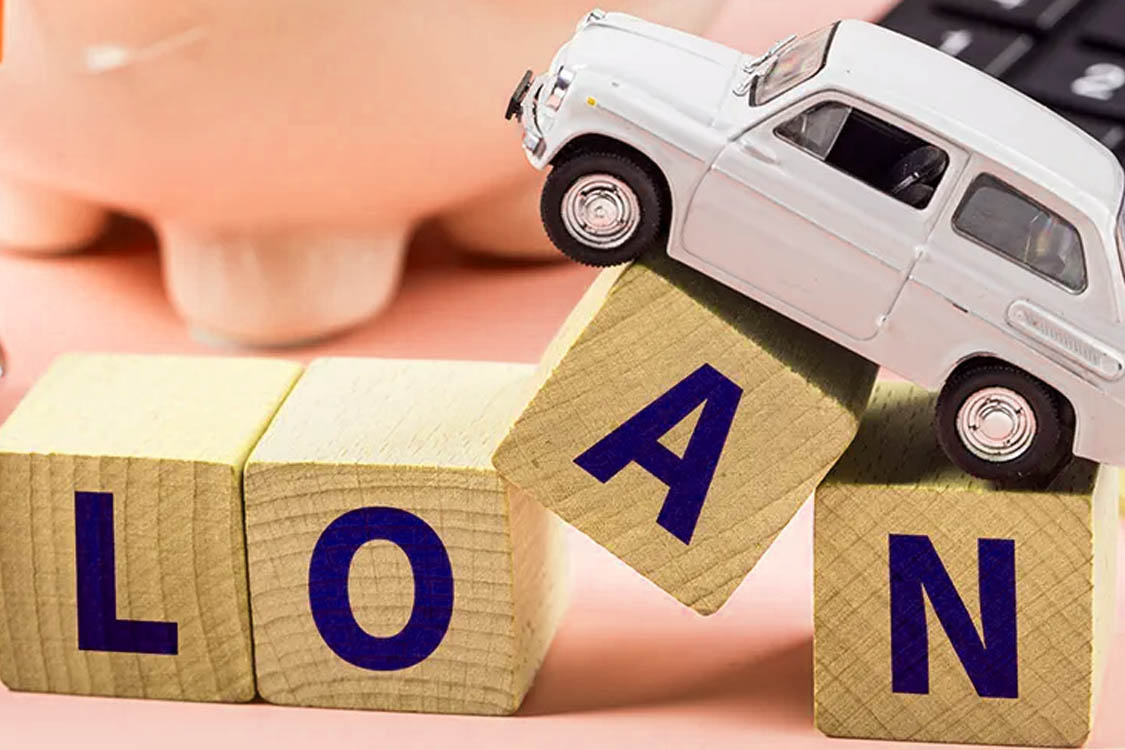
Introduction to Car Loan Securitization
Are you curious about how interest rate fluctuations can impact the securitization of car loans? Buckle up as we dive into the world of Car Loan Securitization and uncover the role that interest rates play in this financial process. Join us on a captivating journey through case studies, strategies for risk mitigation, and a glimpse into the future landscape of car loan securitization amidst fluctuating interest rates. Let’s rev up our engines and explore this dynamic intersection of finance and automotive industry!
The Role of Interest Rates in the Process
Car loan securitization is a complex financial process where loans are pooled together and sold to investors in the form of securities. Interest rates play a crucial role in this process, influencing the profitability and risk associated with these investments.
When interest rates are low, it becomes more attractive for borrowers to take out car loans, leading to an increase in the volume of loans available for securitization. On the flip side, when interest rates rise, borrowing costs go up, potentially slowing down loan originations and affecting the supply of assets for securitization.
Investors in car loan securitizations closely monitor interest rate movements as they directly impact cash flows from underlying assets. Lower rates may result in prepayments on loans due to refinancing opportunities, while higher rates could lead to increased defaults if borrowers struggle with repayments.
Interest rates serve as a key factor shaping the dynamics of car loan securitization markets by influencing both borrower behavior and investor returns.
How Interest Rate Fluctuations Affect Car Loan Securitization
Interest rates play a critical role in the world of car loan securitization. When interest rates fluctuate, it can have a significant impact on this financial process. These fluctuations influence the cost of borrowing for lenders who are looking to package and sell off car loans as securities.
Higher interest rates can lead to increased borrowing costs for lenders, affecting their profitability in securitizing car loans. On the flip side, lower interest rates may entice more borrowers to take out loans, potentially increasing the volume of assets available for securitization.
The timing of interest rate fluctuations is also crucial. Sudden spikes or drops in rates can disrupt pricing models and risk assessments within car loan securitization transactions, leading to uncertainties in future cash flows.
Additionally, interest rate fluctuations can also impact investors who purchase these car loan securities. Higher interest rates may make these securities more attractive to investors seeking fixed income investments, as they offer a higher return. On the other hand, lower interest rates may make these securities less appealing, as they may not provide a high enough return.
In summary, interest rate fluctuations can affect car loan securitization in the following ways:
1. Impact on borrowing costs: Higher interest rates can increase the cost of borrowing for lenders, making it more expensive for them to securitize car loans.
2. Influence on demand for car loans: Lower interest rates may lead to an increase in demand for car loans, potentially providing more assets for securitization.
3. Disruption of pricing models and risk assessments: Sudden changes in interest rates can disrupt pricing models and risk assessments within car loan securitization transactions, leading to uncertainties in future cash flows.
4. Impact on investor demand: Interest rate fluctuations can affect the attractiveness of car loan securities to investors, potentially impacting the volume and price of these securities sold by lenders.
In conclusion, understanding how interest rate fluctuations affect car loan securitization is essential for both lenders and investors involved in this processThis can create challenges for investors who rely on stable and predictable returns from these investments.
Understanding how interest rate fluctuations affect car loan securitization is essential for investors and market participants alike as they navigate this complex financial landscape.
Case Studies of Interest Rate Fluctuations and their Impact on Car Loan Securitization
Interest rate fluctuations can have a significant impact on car loan securitization, affecting investors, borrowers, and the overall financial market. Let’s delve into some case studies to understand how these fluctuations play out in real-world scenarios.
In one instance, during a period of rising interest rates, the value of existing car loan securities decreased as newer securities offered higher yields. Investors holding onto older securities faced potential losses if they chose to sell them before maturity.
Conversely, when interest rates dropped suddenly, issuers rushed to refinance their loans at lower rates. This led to increased prepayment risks for investors holding those securities since borrowers could pay off their loans early and reinvest at better terms.
Furthermore, unpredictable interest rate movements can create uncertainty in forecasting cash flows from car loan securitization, making it challenging for market participants to assess risks accurately.
By examining these case studies closely, we gain valuable insights into the intricate relationship between interest rate fluctuations and car loan securitization dynamics.
Mitigating Risks through Hedging Strategies
When it comes to car loan securitization, mitigating risks through hedging strategies plays a crucial role in protecting investments. Hedging involves using financial instruments to offset potential losses from adverse movements in interest rates. By employing hedging strategies, investors can minimize the impact of fluctuations in interest rates on the performance of their car loan securitization portfolios.
One common hedging strategy used in car loan securitization is interest rate swaps. These agreements allow investors to exchange cash flows with another party based on a predetermined interest rate, helping to manage exposure to fluctuating rates. Another effective hedging tool is options contracts, which provide investors with the right (but not obligation) to buy or sell at a specified price within a certain timeframe.
By diversifying their hedging techniques and staying informed about market trends, investors can effectively mitigate risks associated with interest rate fluctuations in car loan securitization. Through proactive risk management and strategic decision-making, stakeholders can navigate challenges and capitalize on opportunities within this dynamic financial landscape.
Future Outlook for Car Loan Securitization in the Face of Interest Rate Fluctuations
With interest rates constantly fluctuating, the future outlook for car loan securitization remains dynamic and adaptable. Lenders and investors are closely monitoring market trends to adjust their strategies accordingly. Innovation in risk management tools and hedging techniques will continue to play a crucial role in mitigating potential risks associated with interest rate fluctuations.
As technology advances, data analytics will likely become even more sophisticated, enabling more accurate forecasting models to anticipate market movements. This proactive approach will help stakeholders make informed decisions to navigate through uncertain economic conditions successfully.
Collaboration between industry experts, regulators, and policymakers will be essential in shaping the landscape of car loan securitization amidst changing interest rate environments. By fostering an open dialogue and sharing best practices, the industry can collectively work towards creating a more resilient and sustainable framework for securitizing car loans.
The future of car loan securitization seems promising as long as stakeholders remain vigilant, adaptable, and forward-thinking in their approaches towards managing risks associated with interest rate fluctuations.
Conclusion
In the dynamic world of car loan securitization, interest rate fluctuations play a crucial role in shaping the market landscape. Understanding how these fluctuations impact this financial process is essential for investors and stakeholders alike.
By delving into the relationship between interest rates and car loan securitization, we have seen how changes in rates can affect asset-backed securities’ performance. From influencing prepayment speeds to altering cash flow patterns, interest rate movements can pose significant risks to investments in this sector.
Through case studies highlighting past instances of interest rate fluctuations and their repercussions on car loan securitization, we’ve gained insights into both challenges faced and opportunities seized by market participants. By exploring hedging strategies as a means to mitigate risks associated with fluctuating interest rates, we’ve uncovered potential pathways towards safeguarding investments in this arena.
Looking ahead, the future of car loan securitization amidst interest rate fluctuations remains uncertain yet brimming with possibilities. As markets continue to evolve and adapt to changing economic conditions, staying abreast of trends and implementing prudent risk management practices will be key for navigating the complexities of this space.
While interest rate fluctuations present inherent challenges to car loan securitization processes, proactive planning coupled with strategic decision-making can enable stakeholders to navigate uncertainties effectively and capitalize on emerging opportunities in this dynamic market segment.